

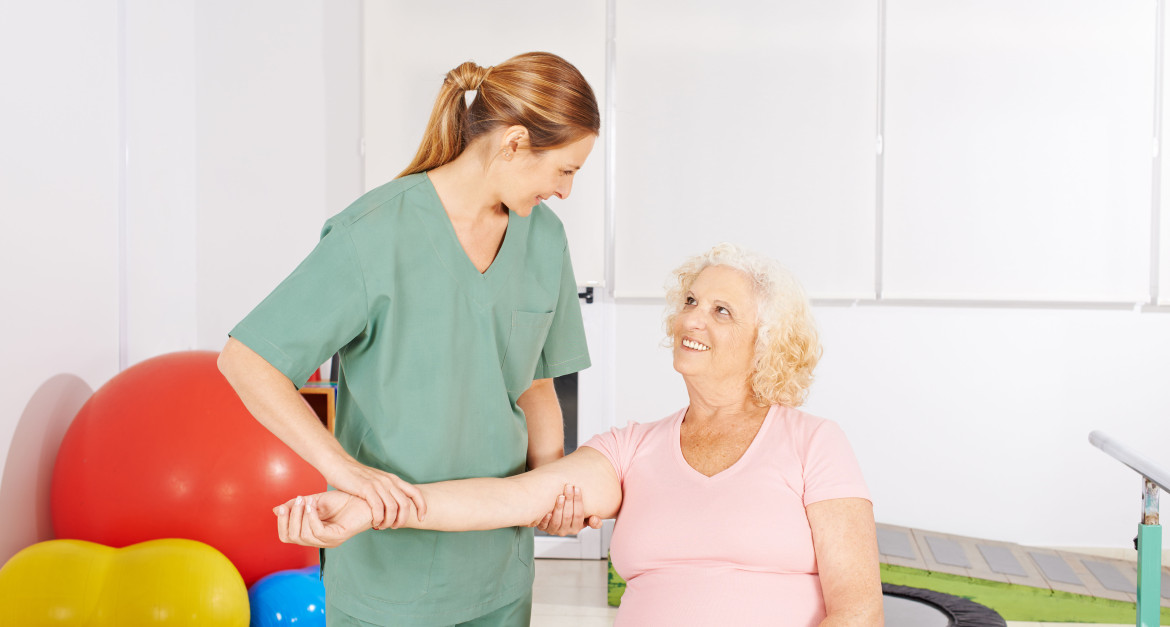
Returning home after hospitalization can be challenging for older adults, especially when weakness, reduced mobility, or balance problems increase the risk of falling. Short term inpatient physical therapy helps seniors rebuild strength, improve coordination, and develop skills for safer daily activities. Through individualized exercises and discharge planning, rehabilitation prepares older adults to regain confidence and independence. Local physical therapy rehab can also help patients and families understand the support needed to maintain progress after leaving inpatient care.
Understanding the Importance of Balance for Seniors
Recognizing the Effects of Aging on Balance
Balance depends on coordination between muscles, joints, vision, and the inner ear. As people age, changes in muscle strength, reaction time, and sensory awareness can make standing and walking more difficult. Conditions such as arthritis and neurological disorders may further affect stability. Inpatient physical therapy addresses these challenges through exercises designed around each senior’s abilities and health conditions.
Understanding the Consequences of Falls
Falls can cause fractures, head injuries, and complications that interfere with recovery. Even without serious injuries, fear of falling may cause seniors to avoid walking and social activities, contributing to weakness and isolation. Short term local physical therapy rehab can help older adults improve physical abilities and learn safer movement techniques. As patients become more comfortable standing, turning, and walking, they may feel better prepared to resume familiar routines and return home.
Building Stability Through Structured Rehabilitation
Balance rehabilitation combines strength training, coordination exercises, and functional movement practice. Physical therapists identify weaknesses and develop treatment plans that gradually challenge patients without unnecessary strain. Sessions may focus on standing steadily, shifting weight, and moving between sitting and standing positions. Regular practice improves control during everyday activities and supports safer mobility.
Assessing Balance and Identifying Fall Risks
Evaluating Mobility and Physical Abilities
Upon admission, physical therapists evaluate a senior’s strength, coordination, walking ability, and balance before beginning treatment. Assessments may include the Timed Up and Go test, which measures how well someone stands, walks, turns, and sits. The results help therapists establish realistic goals and select appropriate exercises. Continued assessments reveal whether treatment is improving functional abilities.
Identifying Medical and Environmental Risk Factors
Balance problems may result from muscle weakness, medication side effects, impaired sensation, or chronic health conditions. Therapists consider these factors when planning rehabilitation and coordinate with other healthcare professionals when necessary. They may also identify home hazards, including loose rugs, poor lighting, and cluttered walkways. Addressing physical and environmental risks together creates a more comprehensive fall-prevention strategy.
Personalizing Treatment and Tracking Progress
Every senior responds differently to rehabilitation, making individualized treatment essential. Therapists adjust exercise intensity and introduce more challenging movements as patients improve. Regular progress checks identify ongoing difficulties and determine when patients are ready for additional activities. This approach allows local physical therapy rehab to reflect changing abilities rather than relying on a standard routine for everyone.
Using Effective Techniques to Improve Balance
Strengthening the Muscles Needed for Stability
Stronger leg, hip, and core muscles help seniors maintain posture and control their movements. Depending on their abilities, patients may practice seated leg extensions, heel raises, or repeated sit-to-stand movements. Therapists demonstrate proper techniques and provide assistance when needed. Improving muscle strength can make transfers, walking, and other daily activities easier.
Practicing Static and Dynamic Balance
Balance training teaches seniors to remain stable while standing and moving. Exercises may include shifting weight, narrowing their stance, or walking while changing direction. Therapists may use parallel bars or other supports while patients practice. As stability improves, activities become more challenging in a controlled environment, helping patients prepare for movement demands at home.
Improving Coordination and Functional Movement
Coordination exercises help seniors control their movements and respond to their surroundings. Activities may involve stepping over low obstacles or reaching for objects while maintaining stability. Therapists also incorporate functional tasks, such as getting out of bed, transferring to a chair, and walking short distances. Occupational therapy can complement physical therapy by helping seniors practice dressing and other daily activities.
Supporting Emotional Well-Being During Rehabilitation
Restoring Confidence and Reducing Fear
Recovering from a fall or serious illness can leave seniors uncertain about their ability to move safely. Local physical therapy rehab provides a structured setting where patients can practice challenging activities with professional guidance. Achieving realistic goals demonstrates progress and encourages participation. As strength and balance improve, seniors may feel more comfortable returning to familiar routines and social activities.
Encouraging Motivation and Family Support
Fatigue, frustration, and fear can make rehabilitation difficult. Therapists encourage participation by setting achievable milestones and recognizing improvements. Family members can also learn how to provide appropriate assistance without unnecessarily restricting independence. Education about safe transfers, mobility aids, and prescribed exercises helps create consistent support throughout recovery.
Addressing Rehabilitation Challenges and Maintaining Progress
Adapting Treatment to Individual Health Needs
Chronic conditions, pain, and fatigue can affect participation in physical therapy. Therapists modify activities by adjusting their intensity, duration, or level of support. Coordination with the healthcare team helps ensure exercises remain appropriate for each patient’s medical needs. This flexibility allows seniors to improve balance while accounting for other health concerns.
Providing Effective Care in Rehabilitation Settings
Rehabilitation facilities must balance patient needs with staffing and scheduling demands. Organized scheduling, clear documentation, and communication help providers monitor progress while addressing individual needs. Families can ask how treatment goals are established and how improvements are tracked during a senior’s stay.
Connecting Inpatient Therapy with Continued Rehabilitation
Recovery continues after a senior leaves an inpatient facility. Depending on individual needs, patients may benefit from outpatient therapy, home exercises, or additional rehabilitation services. Exploring additional local physical therapy rehab options before discharge helps families plan ongoing support. A transition plan should explain recommended exercises, necessary mobility equipment, follow-up appointments, and relevant safety precautions.
Preparing for a Safer Transition Back Home
Making the Home Environment Safer
Home hazards can create challenges even after rehabilitation has improved a senior’s balance. Removing loose rugs, improving lighting, securing electrical cords, and installing grab bars where appropriate can reduce risks. Therapists may recommend modifications based on the patient’s mobility and daily needs. Keeping pathways clear also helps seniors navigate their homes with walkers or other mobility aids.
Maintaining Exercise and Follow-Up Routines
Continuing prescribed exercises helps seniors maintain strength, coordination, and stability. Patients should follow professional recommendations and avoid activities that exceed their abilities. Follow-up assessments can identify new difficulties and determine whether exercises or mobility supports need adjustment. Communication among patients, families, and care providers helps reinforce progress after discharge.
Supporting Independence Through Ongoing Care
A successful transition home involves more than walking independently. Some seniors need assistance with transfers, personal care, or navigating their living spaces. Local physical therapy rehab can help patients continue working toward functional goals when additional treatment is appropriate. Families should discuss discharge recommendations with the care team to understand what assistance and follow-up services may be necessary.
Helping Seniors Return Home with Greater Confidence
Inpatient physical therapy helps older adults rebuild balance, strengthen muscles, and practice movements needed for safer daily living. Individualized exercises, regular assessments, and discharge planning help seniors reduce fall risks and preserve independence. Continued exercise and appropriate home modifications reinforce improvements after inpatient treatment ends.
Families planning rehabilitation for an older loved one can contact Sutton Park Center for Nursing & Rehabilitation to discuss care needs, recovery goals, and preparation for a safer return home. With appropriate rehabilitation and continued support, seniors can work toward improved mobility and greater confidence in everyday life.